Olympic Games
Speed and Power: Biomechanical Adjustments Breaking Track and Field Records
Analyzing the physics of block starts, stride frequency, and ground force application.

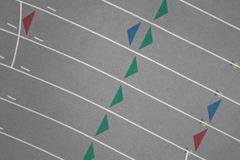
Olympic track and field performance is a battle of fractions of a second, where optimizing Speed and Power: Biomechanical Adjustments Breaking Track and Field Records represents the peak of athletic biomechanics. Stride frequency and ground force application during performance are tracked using high-speed camera arrays.
Analyzing energy pathways reveals that strategies is the primary driver of lactate clearance and sustained velocity. Muscle fiber recruitment and oxygen uptake efficiency dictate whether an athlete can maintain speed in the final sprint. See the detailed metrics below.
Developing training regimens based on analysis helps runners optimize their block starts and pacing strategies. Adapting workloads to individual recovery rates prevents tendonitis and stress fractures.
Staying ahead in Speed and Power: Biomechanical Adjustments Breaking Track and Field Records requires both diligence and scientific execution. Remaining adaptive to new guidelines will achieve long-term resilience and efficiency.
Also by Sam Wilson
- Serves and Slices: The Tactical Blueprint for Grass Court Dominance at WimbledonWimbledon
- Unearthing Stars: How IPL Teams Use Advanced Analytics to Scout Uncapped TalentIPL Cricket
- The Deciding Factor: Ranking the Top 5 All-Rounders in ODI CricketInternational Cricket
- Three-Point Gravity: How Deep Shooting Reshaped Modern NBA OffensesNBA Basketball