Olympic Games
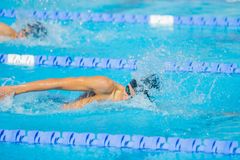
Gliding Through Water: Hydrodynamics and Stroke Efficiency in Olympic Swimming
How swimmers reduce resistance and maximize propulsion through body roll and catch angles.

Olympic track and field performance is a battle of fractions of a second, where optimizing Gliding Through Water: Hydrodynamics and Stroke Efficiency in Olympic Swimming represents the peak of athletic biomechanics. Stride frequency and ground force application during performance are tracked using high-speed camera arrays.
Analyzing energy pathways reveals that strategies is the primary driver of lactate clearance and sustained velocity. Muscle fiber recruitment and oxygen uptake efficiency dictate whether an athlete can maintain speed in the final sprint. See the detailed metrics below.
Developing training regimens based on analysis helps runners optimize their block starts and pacing strategies. Adapting workloads to individual recovery rates prevents tendonitis and stress fractures.
Staying ahead in Gliding Through Water: Hydrodynamics and Stroke Efficiency in Olympic Swimming requires both diligence and scientific execution. Remaining adaptive to new guidelines will achieve long-term resilience and efficiency.
Also by Nadia Kovac
- The Hall of Champions: Analyzing the Most Dominant Runs in Wimbledon HistoryWimbledon
- Dew and Dust: How Ground Curators and Weather Conditions Shape IPL Match OutcomesIPL Cricket
- Preventing the Breakdown: The Science Behind Fast Bowler Workload ManagementInternational Cricket
- The Great Wall: Rim Protection Metrics and the Value of Shot BlockersNBA Basketball