IPL Cricket
What It Takes To Turn A Stadium Around Overnight
Between two matches at one venue a crew must clear waste, repair the outfield, prepare a fresh strip, reset branding and re-secure the site, all within a fixed overnight window.
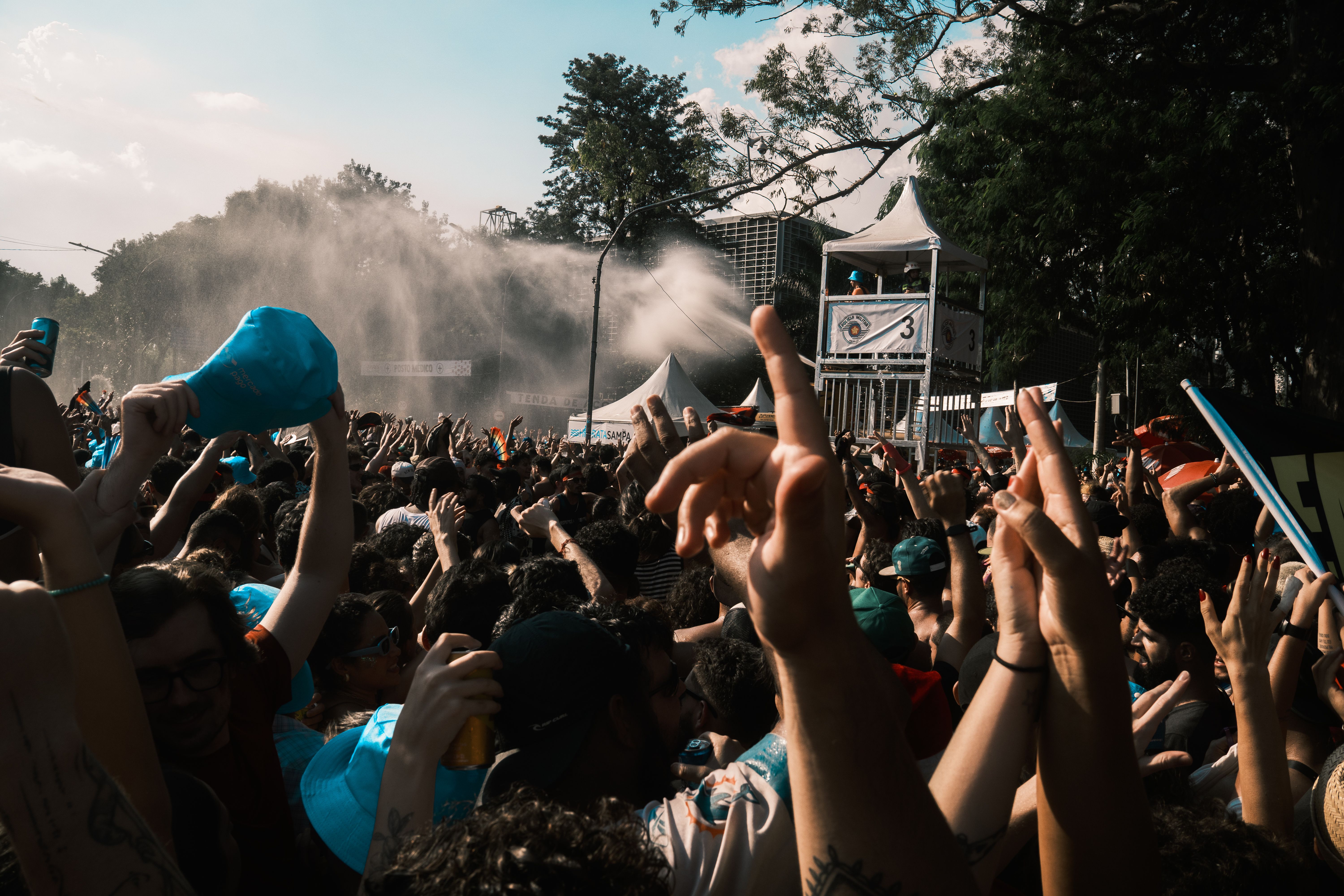
Consecutive fixtures at one stadium look effortless from the stands. The turnaround is a compressed construction and horticulture operation carried out between the final ball and the next morning.
Clearing the site comes first
Waste removal across stands, concourses and hospitality areas is the largest single task by labour hours, and it must finish before other trades can work safely in those areas.
Cleaning crews work in sequence with security sweeps, since a cleared area has to be re-secured and cannot be reopened to general access once it has been checked.
Temporary catering units are restocked overnight too, which means goods vehicles moving through the same service routes the waste vehicles are using.
The square is the slowest element
A used strip cannot host another match, so the curator switches to a different prepared strip, which changes the boundary geometry and requires the field markings to be reset.
Rolling, watering and covering the new strip run to a schedule that starts days earlier, so the overnight work is finishing a process rather than beginning one.
Outfield repair follows, with divots replaced, worn run-up areas reseeded or patched, and irrigation run in the cool hours to avoid stressing the grass.
Branding changes with the fixture
Boundary boards, stand dressing, big-screen content and hospitality signage are configured for the specific teams playing, so a large proportion is swapped between matches.
Crews work from a fixed drawing pack per fixture, because branding positions are contractually specified and a misplaced board is a commercial breach rather than an aesthetic problem.
Digital and LED elements reduce the physical swap considerably, which is one reason venues invest in them despite the higher installation cost.
Broadcast infrastructure mostly stays
Cameras, cabling and the outside broadcast compound remain in place across a run of fixtures, which is precisely why leagues cluster matches at one venue where they can.
What does change is the commentary and studio configuration, along with the presentation set, and those are reset overnight by a separate crew.
Where the next fixture has a different broadcaster or a different production specification, the turnaround lengthens sharply and the schedule allows an extra day.
The whole operation is bounded by curfews and daylight
Noise restrictions limit heavy work at night in urban stadiums, and floodlights running for ground staff carry their own restrictions and cost.
Planners therefore split tasks into a night block that is quiet and a dawn block that is noisy, which is why turnaround crews work in two overlapping shifts.
Anything that cannot fit that pattern forces a rest day into the fixture list, and the number of rest days a league can afford is what ultimately sets its schedule density.
Also by Alison Mitchell
- Strategic line and length consistency in Modern Sports: A Tactical AnalysisInternational Cricket
- Strategic soil profiles in Modern Sports: A Tactical AnalysisInternational Cricket
- Strategic strike rate averages in Modern Sports: A Tactical AnalysisInternational Cricket
- Strategic line and length consistency in Modern Sports: A Tactical Analysis (Insights)International Cricket