Olympic Games
How The Athletes Village Is Built To Be Sold
Olympic villages are constructed as residential developments temporarily fitted for a Games, with conversion works planned from the outset so the housing can be sold or let afterwards.
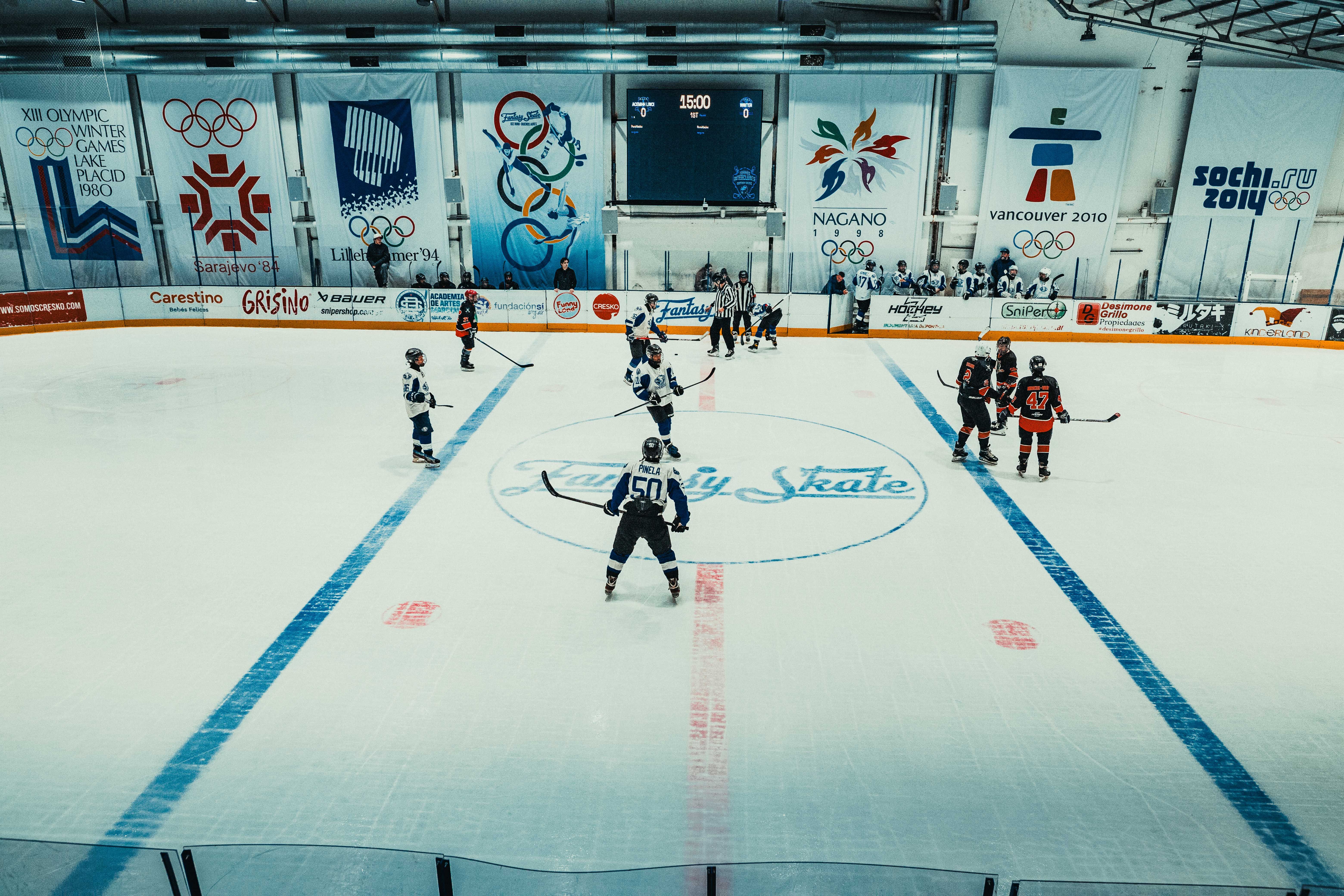
An athletes village houses a small city for a few weeks and then becomes housing. The sequence only works because the buildings are designed as apartments and temporarily adapted, not the other way round.
Games use and residential use differ sharply
During the Games an apartment sleeps several athletes in bedrooms that will later be one household's rooms, so occupancy density is far higher than the residential design case.
Kitchens are usually sealed or omitted during the event because catering is centralised, and they are installed or opened during the conversion afterwards.
Water, power and drainage are therefore sized for the peak Games load, with the surplus capacity either throttled back or serving the wider development later.
Central catering replaces domestic cooking
A single dining facility feeding thousands around the clock is a temporary structure with industrial kitchens, cold storage and a delivery yard operating continuously.
Catering at that scale requires a logistics operation of its own, with deliveries scheduled overnight to avoid conflicting with athlete transport in the mornings.
The facility is demountable because the site it occupies is usually intended as park or public space in the completed development.
Security defines the temporary layout
The village operates as a controlled zone with a screened perimeter, vehicle checkpoints and accredited entry, which requires fencing, scanning halls and standoff distance around the boundary.
That perimeter cuts across streets that will later be public, so roads are designed to be closed and reopened rather than built after the Games.
Internal transport, medical facilities, training areas and team workrooms all occupy space that later becomes commercial units or communal areas.
Conversion is a construction project in itself
After the Games the site is handed back for a conversion phase lasting many months, covering kitchen installation, partition removal, landscaping and finishing to residential standard.
Funding this phase is part of the original development agreement, since a village handed over unconverted would sit empty while responsibility was disputed.
Schools, health facilities and transport connections are usually delivered in the same phase, because the neighbourhood needs them before residents move in.
The financing depends on the housing market
Villages are typically financed against the eventual sale or letting of the homes, which transfers market risk onto the host if values fall before completion.
Where that risk has materialised, public bodies have bought the units, converting an expected receipt into a long-term housing asset instead.
The model works when the city genuinely needs housing in that location, and fails when the village is built where nobody wants to live, which is a planning question rather than a sporting one.
Also by Alison Mitchell
- Strategic line and length consistency in Modern Sports: A Tactical AnalysisInternational Cricket
- Strategic soil profiles in Modern Sports: A Tactical AnalysisInternational Cricket
- Strategic strike rate averages in Modern Sports: A Tactical AnalysisInternational Cricket
- Strategic line and length consistency in Modern Sports: A Tactical Analysis (Insights)International Cricket