International Cricket
How Ground Staff Plan For A Five-Day Match
A long-format match is a five-day operation for the grounds team, with pitch maintenance, covering readiness, outfield repair and rolling windows scheduled around fixed intervals in the laws.
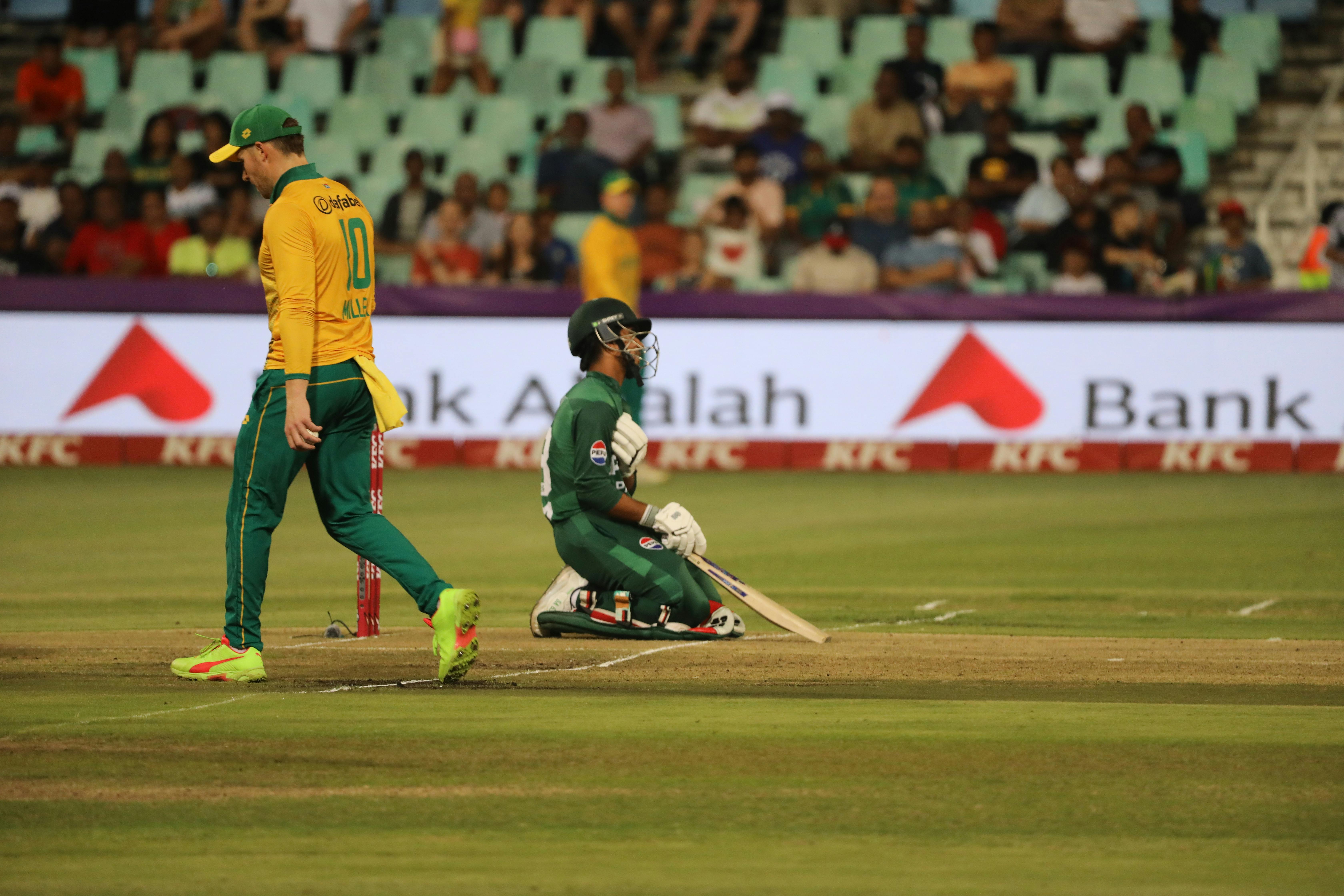
A five-day match is the longest continuous operation any cricket ground runs. The grounds team works to a schedule set partly by the laws of the game and partly by the weather.
The laws create the working windows
Maintenance is permitted at defined points: before play, at intervals and after the close, with rolling allowed for a limited period before each day's start at the captains' request.
Those windows are short and fixed, so the crew rehearses each task to fit, with equipment staged at the boundary rather than fetched when needed.
Anything that cannot be done in the permitted window waits until the close, which is why the heaviest work happens in the evening after spectators have left.
The strip changes character every day
Wear from bowlers' footmarks, batting creases and the ball's impact accumulates, and the crew's job is to manage that deterioration rather than to reverse it.
Sweeping, light rolling and repair of the footholes are the main interventions, and each is constrained by what the laws permit during a match.
Because deterioration is expected, the surface is prepared on day one for how it will behave on day four, which is the curator's central judgement.
Covering readiness runs continuously
Covers and their crews are on standby throughout, and the measure of a ground is how quickly it can go from open play to a fully covered square.
Partial covering of the run-ups is common in unsettled weather, since wet approaches make play unsafe even when the square itself is protected.
After rain, the drying operation begins immediately with blotting equipment and, where permitted, forced air, because the umpires' inspection is timed against readiness.
The outfield needs its own programme
Five days of play plus practice wears the outfield unevenly, particularly in the bowlers' run-up areas and the heavily used fielding positions on each side.
Irrigation is timed for the evenings so the surface is firm by morning, and mowing patterns are maintained for both playing consistency and broadcast appearance.
Boundary rope positions are checked daily against the pitch in use, since a change of strip alters the geometry and the rope must be reset accordingly.
Staffing runs longer than the match
The crew starts hours before play and finishes hours after it, so a five-day match is closer to a seventy-hour week for a team of considerable size.
Grounds supplement their permanent staff with casual crew for the covering operation, since the number of hands needed to deploy full covers quickly is far above normal.
Recruiting and training those casuals in advance is a routine part of match preparation, and it is what separates a ground that recovers from rain from one that loses a day.
Also by Alison Mitchell
- Strategic line and length consistency in Modern Sports: A Tactical AnalysisInternational Cricket
- Strategic soil profiles in Modern Sports: A Tactical AnalysisInternational Cricket
- Strategic strike rate averages in Modern Sports: A Tactical AnalysisInternational Cricket
- Strategic line and length consistency in Modern Sports: A Tactical Analysis (Insights)International Cricket