Player Transfers
How A Tournament Is Relocated At Short Notice
Moving an event within weeks depends on pre-certified venues, a portable operations team and a host government able to issue bulk clearances, not on finding an enthusiastic replacement.
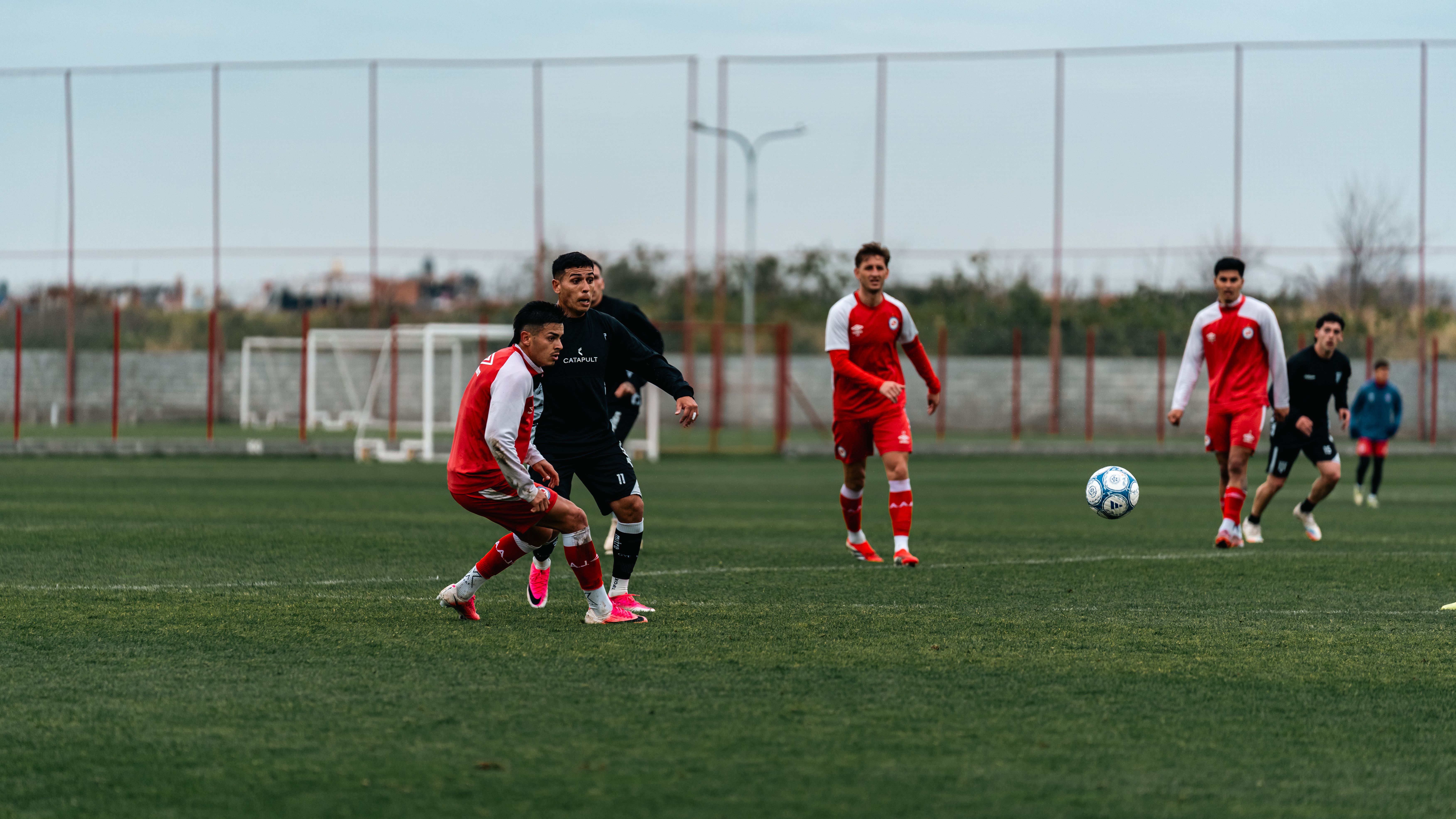
Relocating a tournament in weeks rather than years is possible only because most of the work has already been done elsewhere. The receiving country supplies a site, not a new event.
Certification beforehand is what buys the speed
Governing bodies maintain lists of venues inspected against event standards, and a relocation draws from that list rather than starting a fresh assessment process.
Venues on the list keep equipment, trained staff and broadcast infrastructure in place, which removes the longest lead items from the critical path.
Countries that host relocated events repeatedly do so precisely because they hold that readiness, not because they bid more attractively.
The operations team travels with the event
Competition management, officiating, broadcast production and commercial operations are supplied by the organiser and are largely independent of location.
What must be recruited locally is the volume workforce: stewards, drivers, cleaners, ground staff and medical cover, all of whom need site knowledge.
Local recruitment at that scale takes weeks, so it starts before the relocation is publicly confirmed, which is why announcements often lag the decision.
Government clearances decide the shortlist
The receiving country must issue entry and work permission for accredited personnel in bulk, and clear equipment through customs as temporary imports without delay.
Where a government cannot act that quickly, the country is not an option regardless of the quality of its stadiums or its appetite for the event.
Airspace restriction, policing and medical surge capacity are agreed at the same time, usually through a single coordinating body appointed by the host state.
The broadcast schedule is preserved above the venue
Start times are held to the original market's slot even where that is inconvenient locally, because broadcast contracts are the reason the event is being saved.
Production is rebuilt around the new venues within days, with camera plans, commentary positions and transmission paths reconfigured by the same crew.
Where transmission capacity is limited, satellite and fibre bookings become a constraint of their own and are secured before venues are confirmed publicly.
Spectators are the part that cannot be moved
The original market's supporters mostly do not travel, so crowds are drawn from residents of the receiving country and from communities connected to the competing teams.
Ticket prices are usually reset to local levels, and attendance is treated as a presentation issue rather than a revenue one.
An event that relocates successfully therefore looks complete on television and diminished in the stands, which is the honest trade-off of the whole exercise.
Also by Alison Mitchell
- Strategic line and length consistency in Modern Sports: A Tactical AnalysisInternational Cricket
- Strategic soil profiles in Modern Sports: A Tactical AnalysisInternational Cricket
- Strategic strike rate averages in Modern Sports: A Tactical AnalysisInternational Cricket
- Strategic line and length consistency in Modern Sports: A Tactical Analysis (Insights)International Cricket