IPL Cricket
How A Franchise Season Balances Travel And Rest
A two-month league across a large country is scheduled around aircraft availability, pitch recovery and broadcast slots, with each team's route built before fixtures are published.
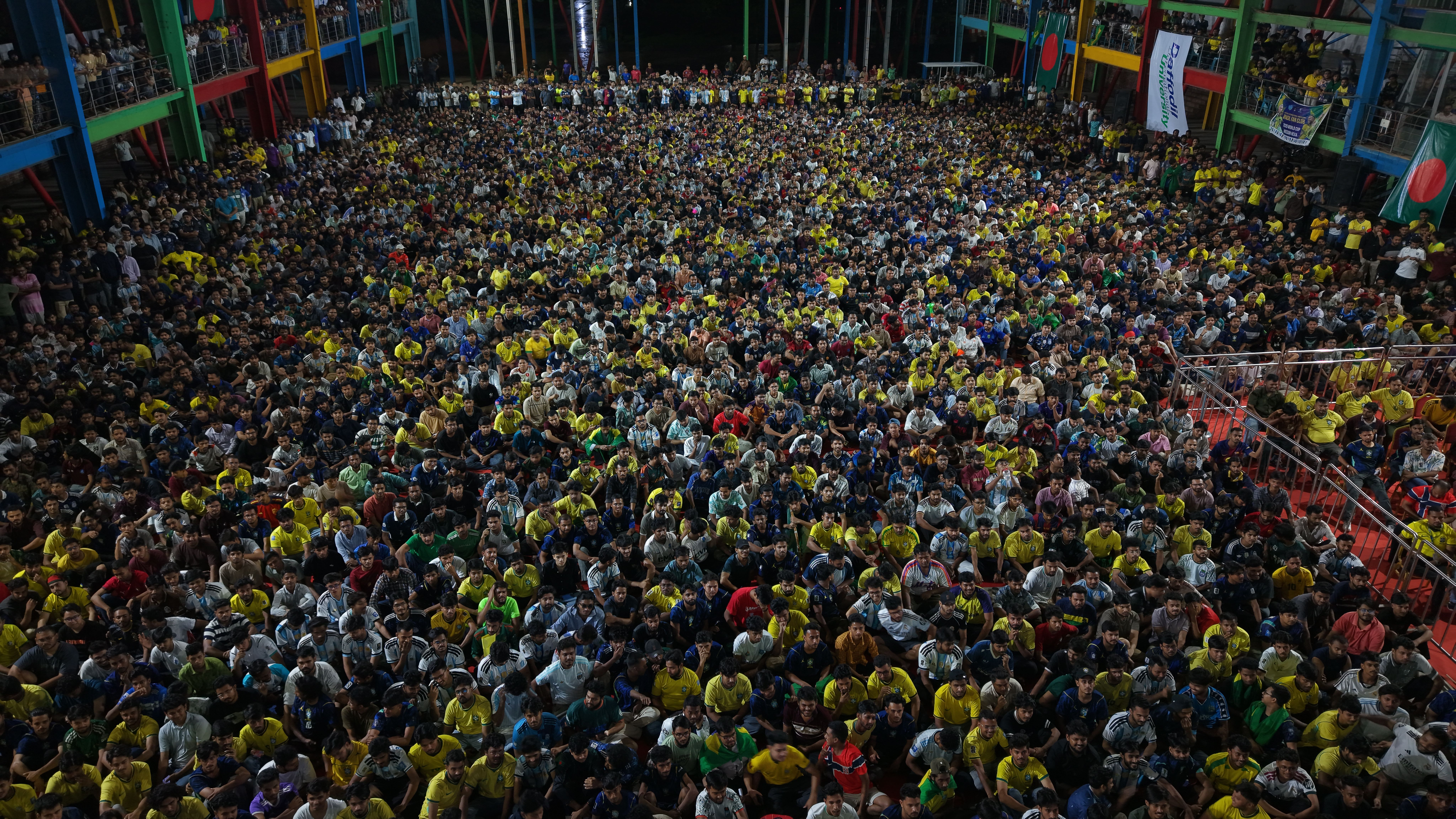
A franchise league played across a continent-sized country is a touring operation. The fixture list is a travel plan first and a competition structure second.
Routes are built before pairings are finalised
Planners begin with a set of feasible city sequences, minimising back-to-back long flights and avoiding routes that force a team across the country twice in a week.
Fixtures are then fitted into those routes, which is why a published schedule often shows a team playing several consecutive matches in one region.
Clustering also reduces hotel changes. Staying in one city for three fixtures removes two full logistics cycles of packing, freight and check-in for a squad of forty people.
Aircraft availability is a hard constraint
Teams travel by charter or on blocks of scheduled seats, and both are finite. A schedule requiring six teams to move on the same morning may simply not be flyable.
Planners therefore stagger travel days across the league and avoid concentrating movements immediately after late-finishing matches, when crews are out of duty hours.
Equipment travels separately, so kit, training gear and analysis equipment are trucked or shipped ahead, which requires a longer lead time than the squad's own movement.
Pitch recovery limits fixtures per venue
A busy home venue cannot host matches on consecutive days without square rotation, since each match consumes a prepared strip that takes days to re-prepare.
Curators prepare several strips in parallel across the season, and the schedule is spaced to match the number of usable strips rather than the stadium's availability.
Outfield wear matters too, particularly under heat and heavy irrigation, and a ground hosting many fixtures needs turf repair windows written into the calendar.
Broadcast slots fix the daily rhythm
Evening matches reach the largest domestic audience, and double-header days add an afternoon fixture, which is the main lever for fitting a long fixture list into a short season.
Afternoon matches in extreme heat require additional medical provision, cooling facilities and sometimes altered timings, so the commercial slot and the welfare plan are negotiated together.
Late finishes then push travel into the early hours, which is why the schedule usually gives a team a free day after any late-finishing away fixture.
Playoff venues are held provisionally
Knockout venues are decided in advance but the participating teams are not, so hotels, aircraft and ticketing systems are held against several possible combinations.
The conversion window between the last league match and the first knockout is short, and it is rehearsed with the same seriousness as the tournament opening.
Unused holds are released and written off, and the willingness to carry that cost is what distinguishes a league that starts its playoffs on time from one that does not.
Also by Alison Mitchell
- Strategic line and length consistency in Modern Sports: A Tactical AnalysisInternational Cricket
- Strategic soil profiles in Modern Sports: A Tactical AnalysisInternational Cricket
- Strategic strike rate averages in Modern Sports: A Tactical AnalysisInternational Cricket
- Strategic line and length consistency in Modern Sports: A Tactical Analysis (Insights)International Cricket